What to know about Hillingdon Council bulky waste rules
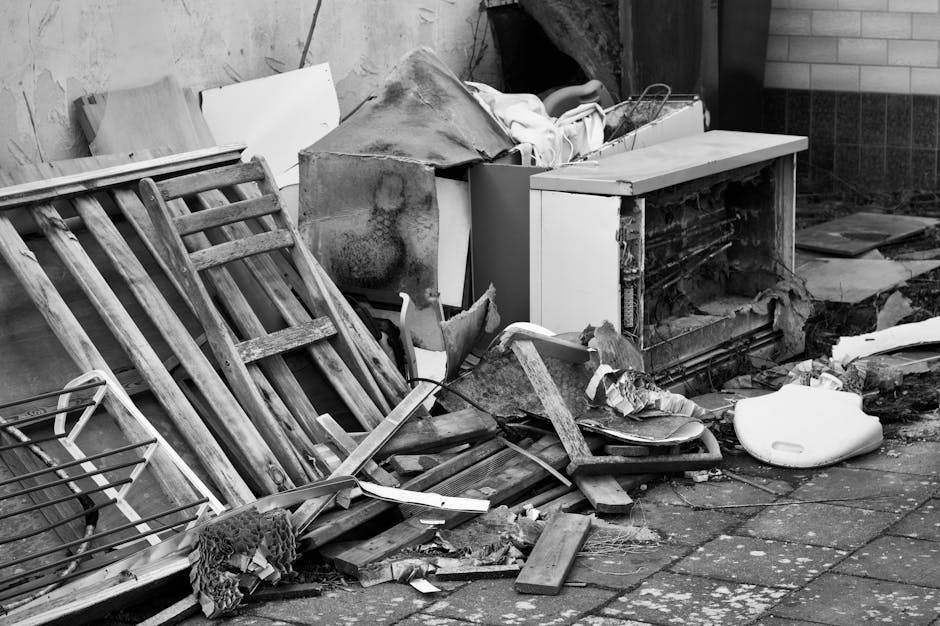
If you are staring at an old sofa in the hallway, a broken wardrobe in the bedroom, or a fridge that has finally given up with a suspicious hum, bulky waste suddenly becomes very real. What to know about Hillingdon Council bulky waste rules is not just a dry admin question; it is the difference between getting rid of clutter properly and ending up with delays, extra costs, or an avoidable mistake. Truth be told, most people only start looking into the rules when the item is already in the way. This guide walks you through the practical side of the process, in plain English, so you can decide what to do next without second-guessing yourself.
We will cover what counts as bulky waste, how local collection rules usually work, what to check before booking, and when a professional clearance service may be the easier route. We will also look at common traps, compliance points, and a simple checklist you can use before putting anything out for collection. No fluff. Just the useful stuff, the kind that saves you time on a busy weeknight when the room is half packed and the kettle is boiling in the background.
- Why the rules matter
- How the process works
- Key benefits and practical advantages
- Who this is for
- Step-by-step guidance
- Expert tips
- Common mistakes to avoid
- Tools, resources and recommendations
- Law, compliance, standards and best practice
- Options and comparison
- Real-world example
- Practical checklist
- Conclusion
- Frequently asked questions
Why What to know about Hillingdon Council bulky waste rules Matters
Bulky waste rules matter because large household items are not handled in quite the same way as ordinary bin waste. Councils need to manage collection routes, safety, recycling, and contamination. For residents, that means there are usually limits on what can be collected, how items must be presented, and whether certain materials need special handling. Miss one of those details and the item may simply be left behind.
In practical terms, this affects all the awkward items people keep meaning to sort out: mattresses, tables, cabinets, white goods, broken exercise equipment, and garden furniture that has seen one too many British winters. If you have ever tried dragging a heavy bed frame through a narrow hallway, you will know why planning matters. Bulky waste is not just about disposal. It is about access, lifting, timing, and making sure the item is safe for the crew to remove.
There is also a money angle. Local collection services and private clearance options can suit different budgets and timelines. Some people are happy to wait a bit longer for a council slot because it is convenient enough and may be lower cost. Others need a quicker, more flexible option, especially if they are moving out, renovating, or clearing a property before handover. Either way, understanding the rules helps you choose the route that fits.
One thing people often overlook is the knock-on effect on recycling. If the item is broken down, separated, or sorted correctly, more of it can be recovered properly. That is a small but useful win. And, let's face it, it feels better to clear a room without creating a mess for the next person to solve.
How What to know about Hillingdon Council bulky waste rules Works
While procedures can change, bulky waste services generally follow a similar pattern across London councils. You identify the item, check whether it is accepted, book a collection if needed, and present it according to the service instructions. The key is to read the requirements carefully before you move anything outside. That sounds obvious, but many collections go wrong because of one small missed detail.
In many cases, councils ask for bulky items to be placed in a safe, accessible spot on the agreed day. That might be the front boundary, near the kerb, or another location specified at booking. The item should usually be easy to identify and separate from ordinary rubbish. If a wardrobe is still full of books, or a fridge is still plugged in and defrosting on the floor, that is where problems start.
Some items may need dismantling first. This is common with beds, wardrobes, shelves, or large flat-pack furniture that has been assembled in a way that now feels slightly personal, almost vindictive. Breaking things down can make collection easier and may reduce the chance of refusal. For white goods and electricals, it is sensible to check whether the service accepts them, because appliances often fall into a different disposal route.
If you prefer not to manage the lifting, timing, and presentation yourself, a full-service clearance may be a better fit. Services such as waste removal and dedicated item collections like furniture disposal can be useful when you want the job handled in one go, especially for mixed loads or awkward access.
For more involved clearances, people often combine bulky item removal with a wider property clean-out. That is where a service such as home clearance or house clearance can be more efficient than trying to manage several separate collections. It depends on the size of the job, and on how much time you have before the deadline.
Key Benefits and Practical Advantages
Understanding the bulky waste rules gives you more control over the process. Instead of guessing, you can make a clear decision about whether to use the council, book a private service, or split the job into smaller parts. That clarity is useful when you are juggling work, family, and everything else that lands on your plate in a typical week.
The main benefits are straightforward:
- Fewer collection problems because you know what is allowed and how to present it.
- Better time planning if you need to clear a room before delivery, sale, or moving day.
- Improved safety because heavy items are handled with the right preparation.
- Cleaner recycling outcomes when items are separated properly.
- Less stress because there is less guesswork involved.
There is another practical advantage too: knowing the rules helps you avoid paying for the wrong service. For example, if you only have one sofa, a bulky collection route may be enough. If you have an entire garage full of mixed items, it may make more sense to look at a broader clearance such as garage clearance or, for larger domestic jobs, loft clearance. Choosing well can save you both money and hassle.
Expert summary: the best approach is not always the cheapest or the fastest. It is the one that matches the volume, access, item type, and deadline. Get those four things right and the rest tends to fall into place.
Who This Is For and When It Makes Sense
This topic matters to a lot more people than you might expect. The obvious group is homeowners and tenants who need rid of one or two large items. But the real picture is broader. Landlords clearing a flat between tenancies, families dealing with inherited furniture, homeowners renovating a room, and people moving out at short notice all run into bulky waste issues sooner or later.
It also makes sense if you are trying to clear items from specific spaces. A battered wardrobe in a bedroom is one thing; a full property clear-out is another. If the job includes general household contents, you may get better value by combining removal with a wider service such as flat clearance or furniture clearance. That is especially useful in flats with tight stairs, limited parking, or no lift. We have all seen those awkward Victorian stairwells that make a simple chest of drawers feel like a small expedition.
It also makes sense when the item is not truly bulky waste in the council sense because it may need a different route. Fridges, freezers, and other appliances can require separate handling, so a specialist page like fridge and appliance removal is worth checking if the item contains coolant or electrical components. Similarly, mattresses and sofas can be subject to their own handling quirks, which is why dedicated mattress and sofa disposal options can be more practical than assuming they will be treated like ordinary rubbish.
If the item could be hazardous, oily, sharp, contaminated, or otherwise awkward, pause before booking anything. Some waste streams need special care and may not belong in a standard bulky collection at all. That is not being fussy. It is just sensible.
Step-by-Step Guidance
Here is a simple way to work through the process without overcomplicating it.
- List the items. Write down every bulky item you want removed. One chair becomes three once you are standing in the room, looking around and thinking, "Well, that can go too."
- Check condition and type. Note whether the item is wood, metal, electrical, upholstered, or potentially hazardous. This matters for collection rules and recycling.
- Measure the item and the access route. Door widths, stairs, hallways, and parking access can all affect whether collection is straightforward.
- Decide if dismantling is needed. Beds, wardrobes, and shelving often become much easier to move when broken down safely.
- Confirm the collection method. Council collection, private clearance, or a specialist service each suits different situations.
- Prepare the item correctly. Follow the collection instructions about placement, bagging loose parts, taping doors shut if required, and removing contents.
- Arrange the removal date. If timing is tight, book early rather than hoping there will be a slot tomorrow morning. There often is not.
- Keep the route clear. Move pets, park access, bins, and any trip hazards out of the way before the team arrives.
If you are dealing with more than a couple of bulky items, it can be worth checking broader clearance support such as house clearance or home clearance. For mixed domestic clutter, that often proves more efficient than handling each item separately. And yes, it can save you from that classic Sunday afternoon where the hallway is full, the van is late, and everyone is slightly grumpy.
Expert Tips for Better Results
After enough clearances, a few habits stand out. The first is to think in layers. Do not just ask, "Can this be collected?" Ask, "Can this be collected in this condition, at this place, on this date, with this access?" That small shift avoids a lot of wasted effort.
Another useful tip: separate like with like. Put furniture together, electricals together, and anything potentially hazardous apart from ordinary household items. It makes planning easier and reduces the chance of an item being turned away. It also gives you a clearer sense of whether a single bulky collection is enough or whether you need a broader waste service.
Where space is tight, move smaller items first so the largest pieces can come out without damage to walls, doors, or banisters. A little scratch on the paintwork can become surprisingly annoying. One nick by the stair corner, and suddenly it is all you can see. Human nature, I suppose.
If you are trying to keep costs under control, take photographs before booking. A few clear pictures help you judge volume, identify materials, and avoid underestimating the job. They also help if you are comparing options. Services with transparent guidance, such as pricing and quotes, make that side of the decision a lot easier.
Finally, think about what can be reused or recycled. Not everything has to be treated as worthless just because it is no longer useful to you. Furniture in decent condition, for example, may be better suited to a dedicated removal route than a straightforward tip run.
Common Mistakes to Avoid
The biggest mistake is assuming all large items are treated the same. They are not. A wardrobe, a mattress, a fridge, and a bag of broken tiles can each need a different approach. That is why people sometimes get surprised when one item is collected and another is refused.
Another common error is not checking access. A collection team cannot magic a sofa through a narrow landing if the sofa is too large or the path is blocked. Sometimes the item must be dismantled first. Sometimes it simply needs a different route. Either way, forcing the issue usually creates delays.
People also forget to empty items. Drawers full of old cables, cabinets full of paperwork, and freezers still full of food are all classic culprits. If you are clearing a room in a hurry, this is the sort of thing that gets missed. Then the item sits there, and the day feels twice as messy.
A final mistake is leaving hazardous items for a standard collection without checking first. Batteries, sharp tools, chemicals, and certain electricals can create problems. When in doubt, treat these separately and look for a more suitable route. That is especially important for safety, and it shows a bit of respect for the people doing the lifting too.
Tools, Resources and Recommendations
You do not need a lot of fancy tools to deal with bulky waste properly, but a few basic things help. A tape measure is useful for checking item size and access. A screwdriver or basic tool kit can help dismantle furniture safely. Heavy-duty gloves, sturdy shoes, and a torch for lofts, garages, or dark corners are all sensible too.
For planning, a notepad or phone checklist works well. Write down item type, condition, access notes, and whether any parts need separating. If you are clearing a whole property, this gets useful fast. A quick list can stop you making three separate trips for one job. Which, frankly, nobody enjoys.
On the service side, it helps to compare the practical differences between collection methods. If you are sorting a pile of mixed waste in a shed or garage, a broader option such as waste removal may be easier than trying to categorise everything individually. If you are only dealing with old seating, sofas, or bedroom furniture, a more focused route like furniture clearance can be more appropriate.
For specialist items, choose the relevant path early. For example:
- Old appliances: fridge and appliance removal
- Upholstered items: mattress and sofa disposal
- Construction leftovers: builders waste clearance
- Office contents: office clearance
That kind of matching makes the process smoother, and it tends to produce better results overall.
Law, Compliance, Standards, or Best Practice
When dealing with bulky waste in the UK, it is wise to follow the basic legal and environmental duty of care principles that apply to waste handling more generally. In simple terms, waste should be stored, presented, moved, and transferred in a way that avoids littering, nuisance, and unsafe handling. You do not need to become a legal expert to get this right, but you should take the process seriously.
Best practice usually means sorting items before collection, keeping hazardous materials separate, and using a service that can handle the waste type properly. If a provider says an item can be collected, that should mean it is being dealt with through a legitimate route, not dumped somewhere later. That matters a great deal. Nobody wants their old sofa turning up in a hedge with their name still on the label. Bit grim, that.
In day-to-day terms, compliance is mostly about care and common sense. Do not leave items where they block pavements or create hazards. Do not add prohibited materials to a pile of ordinary bulky waste. Do not guess when an item might contain electrical, chemical, or contaminated components. And if a job looks larger than expected, ask for guidance before collection day.
If safety matters are part of your decision, it is worth looking at a provider's internal standards too, such as health and safety policy and insurance and safety. Those pages can help you judge how seriously a company treats handling, access, and risk. For environmentally minded readers, recycling and sustainability also gives a good sense of whether recovery and reuse are part of the approach.
Options, Methods, or Comparison Table
There is no single right answer for every household. The best method depends on the amount of waste, the item types, how quickly you need them gone, and whether access is easy or awkward. This quick comparison should help.
| Option | Best for | Pros | Watch out for |
|---|---|---|---|
| Council bulky waste collection | One or a few large household items | Usually straightforward, familiar, and suitable for simple jobs | Booking slots, item restrictions, presentation rules |
| Private bulky waste removal | Fast turnaround or awkward items | Flexible timing, more hands-on help, better for mixed loads | Check what is included and whether the price matches the volume |
| Full property clearance | Flats, homes, estates, inherited properties | Most efficient for larger or mixed contents jobs | May be more than you need for a single item |
| Specialist item disposal | Appliances, sofas, mattresses, sensitive or awkward items | Better handling for specific materials and risks | Requires the right category and sometimes extra preparation |
There is a small but important decision here: if you are only removing one heavy item, do not book a whole-property service. If you are clearing ten different things, do not stretch a single-item solution beyond its comfort zone. It sounds simple, but this is where people often overspend or underspecify the job.
Case Study or Real-World Example
A fairly typical situation goes like this. A couple in a first-floor flat in Hillingdon decide to replace a sofa, a bed frame, and a small wardrobe after a redecorating push. At first they assume the council bulky waste collection will handle everything together. Then they realise the wardrobe is too large to move intact, the sofa has a damaged frame, and the bed base still contains storage drawers full of odds and ends. Nothing dramatic. Just a lot of practical little issues all at once.
They start by measuring the hallway and checking what can be dismantled. The bed frame comes apart easily. The wardrobe does not, so it is broken down in sections. The sofa is classed as an upholstered bulky item, and the broken pieces are separated from the rest. Because access is tight and the job is not just one item anymore, they choose a broader removal route instead of waiting for several separate collections. In the end, the job is completed in one visit, with less disruption and no need to move items twice.
What did they learn? Planning matters more than people expect. The first question is rarely "How do I throw this away?" It is "What actually needs collecting, and what needs preparing first?" That small shift saves a lot of time.
This is where a service like flat clearance can make sense for apartment-based clear-outs, while mattress and sofa disposal can be the better fit for larger upholstered items on their own. Different jobs, different routes. Simple as that.
Practical Checklist
Use this before booking or presenting bulky waste for collection:
- List every item that needs removing.
- Check whether any item is electrical, hazardous, or specialist.
- Measure the item and the route out of the property.
- Empty drawers, cupboards, and hidden storage.
- Dismantle furniture where safe and practical.
- Separate bulky items from general rubbish.
- Confirm where the collection should be placed.
- Check parking or access restrictions.
- Keep children, pets, and trip hazards away from the route.
- Have photos ready if you need a quote or advice.
Quick reality check: if the item seems awkward to move, it probably is. Prepare for that early rather than after a strained back and a partly blocked doorway.
For bigger domestic jobs, you may also find it helpful to review what can go in a skip if you are weighing up clearance versus skip hire-style disposal for a wider project. The right method depends on the kind of waste, the space you have, and how much sorting you want to do yourself.
Conclusion
What to know about Hillingdon Council bulky waste rules really comes down to this: check the item type, understand the collection expectations, prepare properly, and choose the most suitable route for the job. The rules are there to keep collections safe, efficient, and fair, but they also help you avoid a lot of unnecessary stress. That is the bit people feel most directly.
If you are dealing with one large item, a council collection may be all you need. If you are handling several pieces, tricky access, or a wider property clear-out, a specialist clearance option can save time and reduce hassle. There is no prize for making the process harder than it needs to be.
Take a breath, make a short list, and tackle it in the sensible order. That usually works. More often than not, the job feels much bigger before you start than it does once it is properly planned.
Get a free quote today and see how much you can save.
And once the last bulky item is gone, the room feels different straight away. Lighter, calmer, easier to live in. A small win, but a proper one.
Frequently Asked Questions
What counts as bulky waste in Hillingdon?
Bulky waste usually means large household items that will not fit in a normal wheelie bin or standard black bag collection. Common examples include sofas, mattresses, wardrobes, tables, and white goods. The exact acceptance rules can vary, so it is sensible to check the item type before booking anything.
Can I put a broken sofa out for bulky waste collection?
Often yes, but sofas may need to be treated as a specific item type because of upholstery and size. It is worth checking whether the service accepts the sofa in its current condition and whether it needs to be separated from other waste.
Do I need to dismantle furniture before collection?
Not always, but dismantling can make collection much easier, especially for wardrobes, bed frames, shelving, and other large pieces. If the item is too large for the access route, breaking it down is usually the practical answer.
Are fridges and freezers handled like ordinary bulky items?
Not necessarily. Fridges and freezers can require specialist handling because of electrical components and refrigerants. A dedicated appliance removal route is often the safer and more suitable option.
What should I do if my bulky item contains hidden contents?
Empty it fully before collection. Drawers, cupboards, and storage compartments should be checked carefully. Loose items can create delays and may lead to a refusal if the item is not ready.
Is council bulky waste collection better than private removal?
It depends on your needs. Council collection can be suitable for a simple, low-volume job. Private removal can be better when you need speed, flexibility, or help with multiple items and awkward access.
Can I mix bulky waste with other household rubbish?
It is usually better not to. Keeping bulky items separate helps the collection go smoothly and reduces the risk of refusal. It also makes sorting and recycling more straightforward.
What if I have hazardous or unusual items?
Hazardous or unusual waste should be treated separately. Items such as chemicals, contaminated materials, or anything that could pose a safety risk need special consideration. Do not assume they belong in a standard bulky collection.
How do I avoid problems on collection day?
Prepare early, check access, empty the item, and make sure it is placed exactly where instructed. If you are unsure, take photos and ask for guidance before the appointment. That small bit of preparation saves a lot of hassle later.
What if I am clearing a whole property, not just one item?
In that case, a broader clearance service may be more efficient than a single bulky item collection. House, home, flat, garage, or loft clearance options can be a better fit when there are multiple items across different rooms.
Can bulky waste rules affect tenants and landlords differently?
Yes, in practice they can. Tenants may need to remove their own belongings before moving out, while landlords often need a fast turnaround between occupancies. The same item rules apply, but the urgency and access issues may be different.
Where can I get help if I am not sure what service I need?
Start by identifying the item type, volume, and access conditions. Then compare whether a targeted service, a full clearance, or a broader waste removal option makes more sense. If the job is bigger than it first appears, a quick conversation with a clearance provider is usually the easiest next step.